JOURNALIST
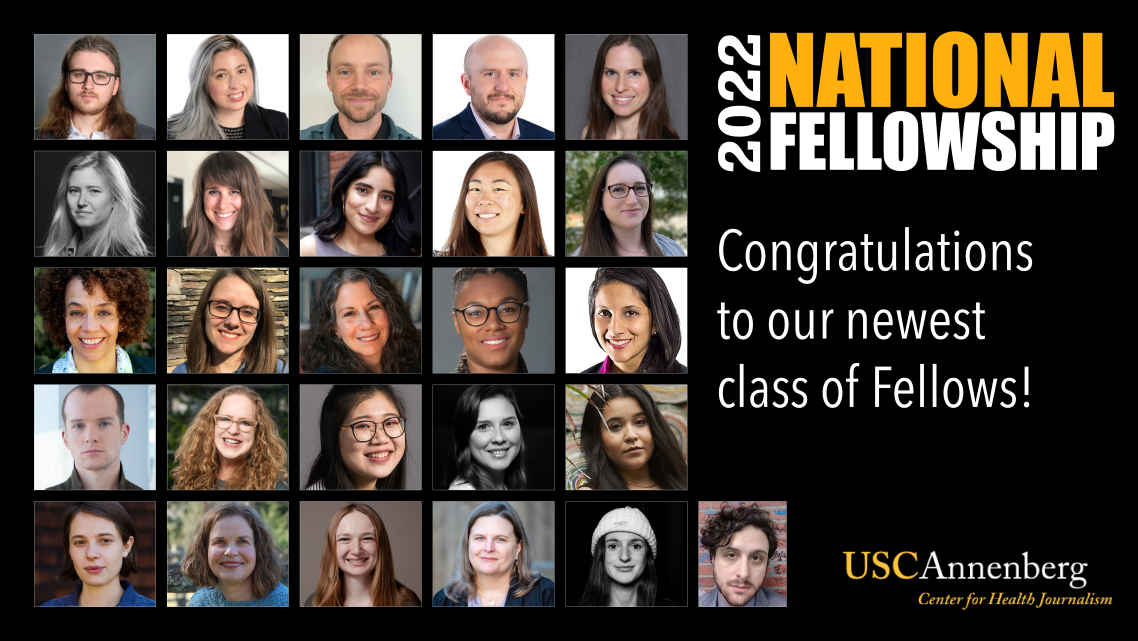
Center for Health Journalism announces 2022 National Fellows
This year, Amy Silverman will join 26 journalists in The USC Annenberg Center for Health Journalism’s National Fellowship to investigate and explore challenges impacting child, youth and family health and well-being in the United States.
PERSONAL ESSAY
SLATE: The Most Difficult Part of Raising a Daughter With Down Syndrome

Photo illustration by Slate. Photo by Getty Images Plus.
The best way I can explain Down syndrome (after the extra chromosome part) is to say that every single bit of Sophie is different from the rest of us in our family, from her stick-straight hair to the gap between her first two toes.
Doctors mended the hole in her heart and a physical therapist taught her to walk, but helping Sophie handle anxiety, grief, and the fact that she’s different is proving to be the most difficult challenge of all, particularly as she prepares to graduate high school and head into the real world, whatever that means.
REPORTING
propublica: STATE OF DENIAL, Inside Arizona’s Division of Developmental Disabilities

Emory Webster, right, and her mother, Adiba Nelson, in their home in Tucson in October. (Mamta Popat/Arizona Daily Star)
Arizona’s services for people with intellectual and developmental disabilities are supposed to be the best in the country. But the state is failing to deliver. ProPublica and the Arizona Daily Star are working to make stories accessible.
You can read the stories in plain language and Spanish and listen to audio versions.
REPORTING
ARIZONA DAILY STAR: ONCE AN ADVOCATE, CHAD’S WILL IS FADING
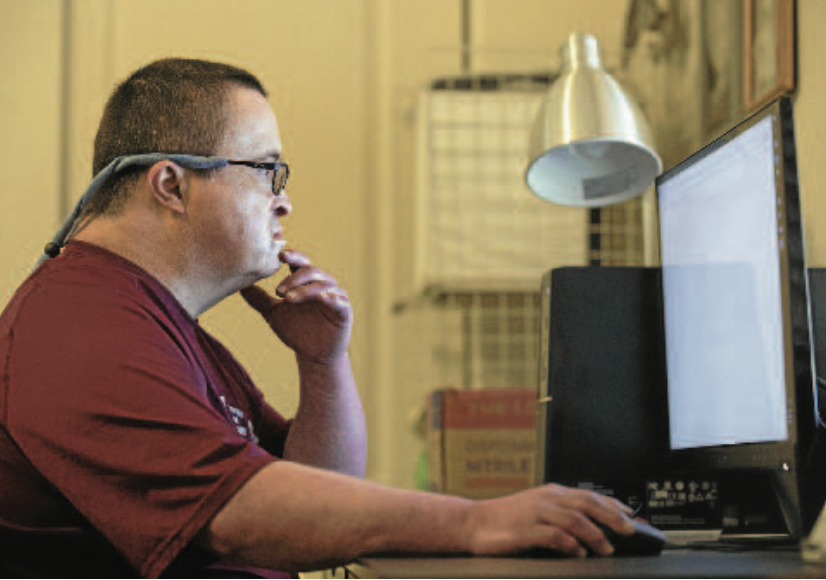
Chad McKinley once had dreams of falling in love and getting married. He loved to cook. Sitting by his side on a Facetime call, Cheri Peterson mentions how much her brother enjoys dancing to country music. He nods, looking wistful.
Mostly, McKinley wants to talk about his birthday. He recalls the date, May 17, but struggles to remember his age. Peterson reminds him gently that he’ll be 48. With a round face, faint mustache and slight wrinkle between his brows, McKinley looks far younger in his baseball cap and tie-dyed T-shirt in shades of green.
But he’s fading.
PERSONAL ESSAY
LITHUB: Learning to Unsay the R-Word, on Changing the Way a Culture Speaks

As we drove to her high school one morning not long ago, I asked my daughter Sophie what words she’d use to describe herself.
“Cute, funny, smart, hard working,” she says.
“Anything else?”
“Lovable.”
Sophie did not use the word retarded, though some people might. I’ve never heard her say it. She’s never heard me say it, either. I don’t use it. Anymore.
REPORTING
KJZZ: An Arizona State Hospital patient has been fighting to get his service dog since 2020
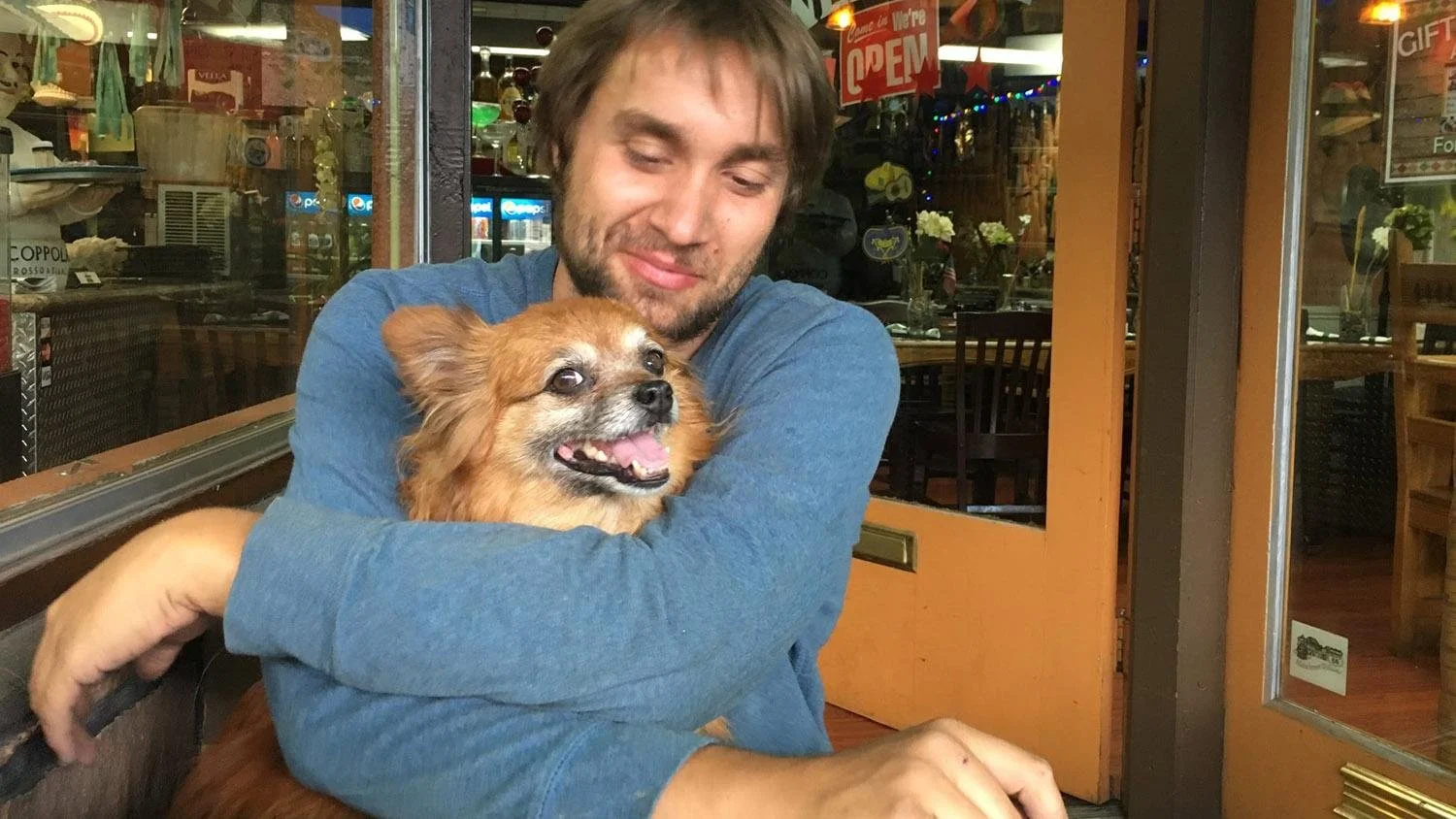
Photo by MATT SOLAN | KJZZ
From airplanes to coffee shops to classrooms, it’s hardly unusual to see a service animal. And not just the classic seeing-eye dog — nowadays there are emotional support horses and therapy parrots.
But there is a place that does not allow any kind of service animal: the Arizona State Hospital.
That's where Matt Solan has been for two years. Solan had a video visit this spring with Foxy, his 16-year-old Pomeranian.
PERSONAL ESSAY
PHOENIX MAGAZINE: Arizona’s New Abortion Law is Exploiting Those with Disabilities
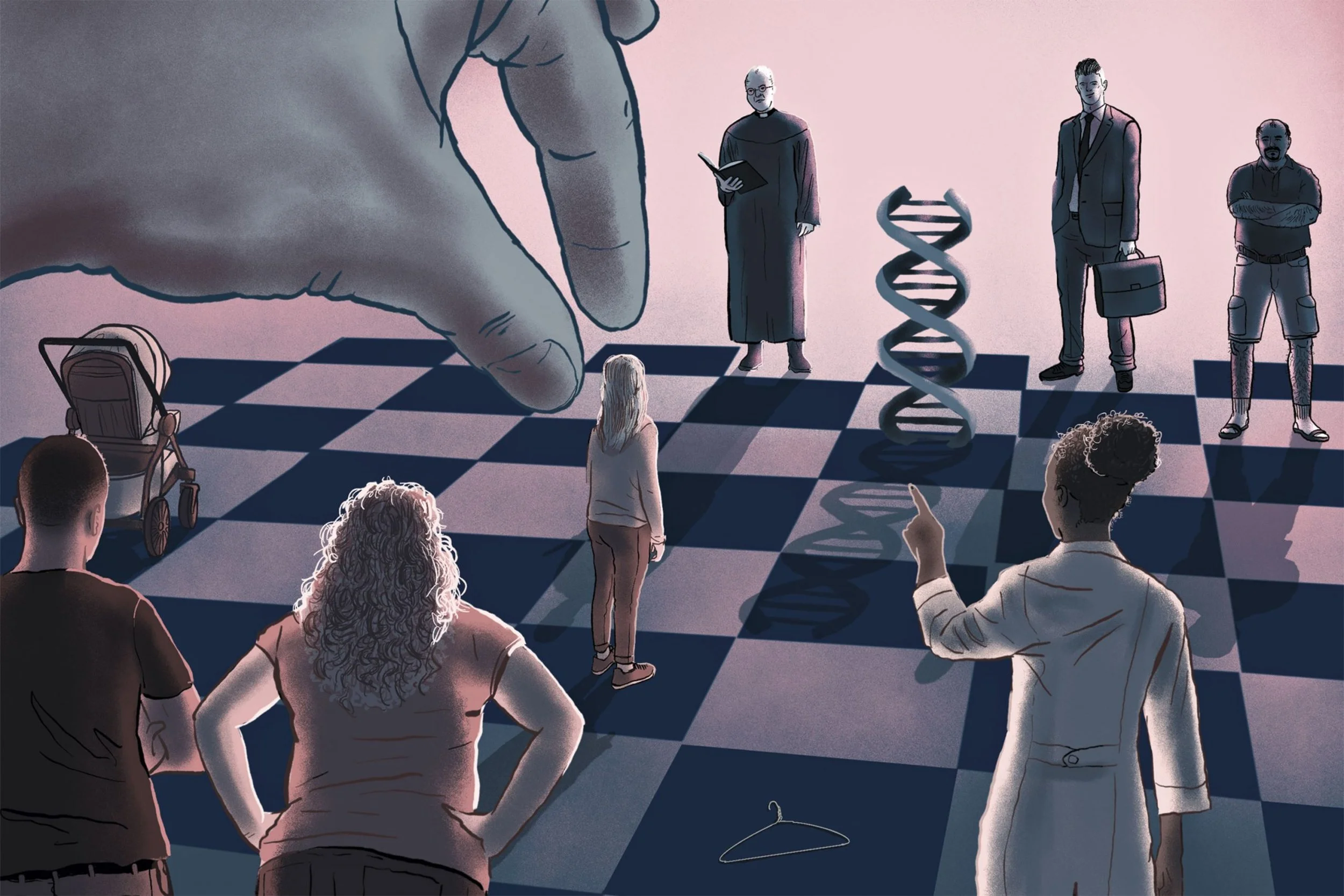
Illustration by Jess Suttner
With its new abortion law, Arizona is exploiting people like Sophie under the pretext that it cares about defending their civil rights.
My daughter Sophie has Down syndrome, so you might expect that I’d be particularly interested in Arizona’s new law that, among other things, makes it illegal to abort a fetus with a “genetic abnormality.”
I’m interested, all right. And terrified that by next year, Arizona will be the next Texas.
“Silverman’s fierce account of coming to terms with having a child with Down syndrome is at once precise, mordant, and compassionate, and ultimately is exquisitely human.”
— Julie Lythcott-Haims, New York Times bestselling
author of How to Raise an Adult